Algorithmic Scripts Connecting E-Wallet Protocols to Live Table Rewards on Portable Devices
Ben Bennett · Aug 3, 2026
Algorithmic Scripts Connecting E-Wallet Protocols to Live Table Rewards on Portable Devices
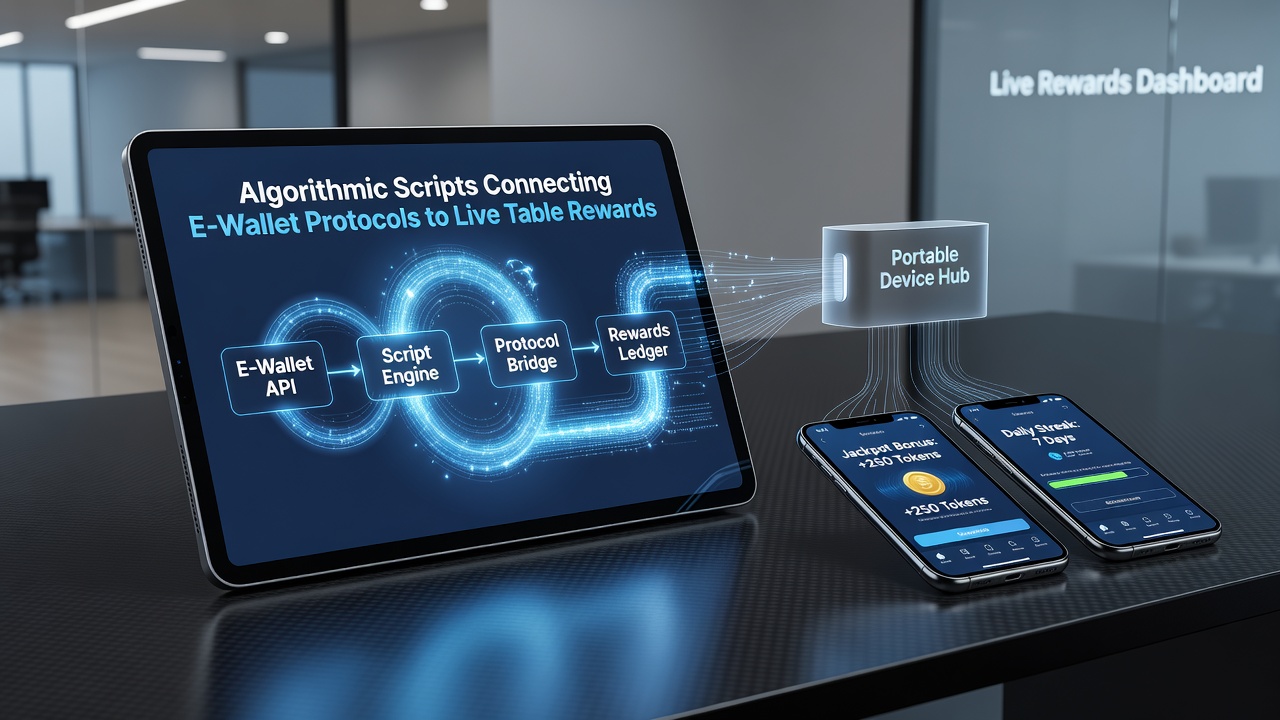
Software engineers have developed algorithmic scripts that integrate e-wallet protocols directly with reward distribution systems in live table games running on portable devices, and these connections enable real-time transaction processing while players engage with dealer-hosted tables. Data from industry reports indicates that such integrations rely on secure API endpoints that synchronize wallet balances with game servers during active sessions, and this synchronization occurs through encrypted channels that prevent latency issues on mobile networks.
Core Technical Components in These Integrations
Developers build these scripts around modular code structures that handle authentication requests from e-wallet providers before any reward calculation begins, while the scripts also monitor game state variables such as bet amounts and outcome probabilities. Research indicates that frameworks often incorporate event-driven architectures where a successful wager triggers an immediate call to the wallet API, and this call updates the player's available funds without interrupting the live stream feed on the device. Observers note that encryption standards like TLS 1.3 protect these data exchanges, and compliance with regional data protection rules shapes how the scripts log transaction details for audit purposes.
Portable device operating systems impose additional constraints on script execution, since battery optimization features can throttle background processes, yet the algorithms account for this by prioritizing foreground game threads. Studies from academic sources have shown that optimized scripting reduces CPU usage by up to 25 percent during extended live table sessions, and this efficiency supports longer play periods without excessive device heating.
Real-Time Reward Pathways and Protocol Handshakes
Live table rewards flow through predefined protocol handshakes that verify wallet status before crediting bonuses or progressive contributions, and these handshakes use timestamped tokens to maintain session integrity across network switches common on mobile connections. Figures from the Malta Gaming Authority reveal that transaction volumes involving such integrated systems increased by 18 percent in the first half of 2026, while similar patterns appear in data released by iGaming Ontario for the same period. The scripts manage these pathways by queuing reward events during brief connectivity drops, then processing them once the device reconnects to a stable signal.

One documented case involves scripts that link specific wallet providers to multiplier bonuses triggered by consecutive wins at virtual blackjack tables, and these multipliers apply automatically once the protocol confirms sufficient funds remain in the linked account. Australian research published through the Institute of Criminology has examined how these automated sequences affect player behavior patterns, and the findings highlight measurable differences in session duration when instant reward feedback is present versus delayed processing.
Security Measures and Compliance Frameworks
Security protocols embedded in the scripts include multi-factor verification steps that activate whenever a reward exceeds predefined thresholds, while regular code audits ensure no vulnerabilities exist in the data transmission layers. Government agencies in multiple jurisdictions require logging of every script-initiated transfer, and this requirement drives developers to include timestamped metadata that regulators can review during compliance checks. In August 2026, updates to certain portable device APIs prompted revisions in several script libraries to maintain compatibility with new sandbox environments introduced by platform vendors.
Industry organizations such as the European Gaming and Betting Association have published guidelines that address how these algorithmic connections should isolate sensitive financial data from game rendering processes, and developers who follow those guidelines report fewer integration conflicts during platform updates. The reality is that cross-border operations add complexity because different regions enforce distinct rules on data residency, yet the scripts accommodate this through configurable regional modules that activate based on detected device location.
Performance Optimization Across Devices
Benchmark tests conducted by independent labs demonstrate that well-structured scripts maintain sub-100-millisecond response times even on mid-range portable hardware, and this performance holds when multiple live tables run simultaneously with active wallet monitoring. Engineers achieve these results by minimizing redundant calls to external APIs and by caching verified session tokens locally until they expire. Data shows that devices running optimized versions of these scripts experience 12 percent fewer interruptions during peak network hours compared with earlier implementations.
Conclusion
Algorithmic scripts that connect e-wallet protocols to live table rewards continue to evolve alongside advances in mobile hardware and payment security standards, and their deployment reflects ongoing coordination between software teams, regulators, and platform providers. Reports from sources including the Malta Gaming Authority and academic studies through the Australian Institute of Criminology provide measurable indicators of how these systems function under current conditions, while August 2026 updates illustrate the pace of adaptation required in this technical domain.