Charting Code-Level Links Between Progressive Prize Triggers and Encrypted Funding Layers in Portable Prize Systems
Bianca Schulz · Jul 10, 2026
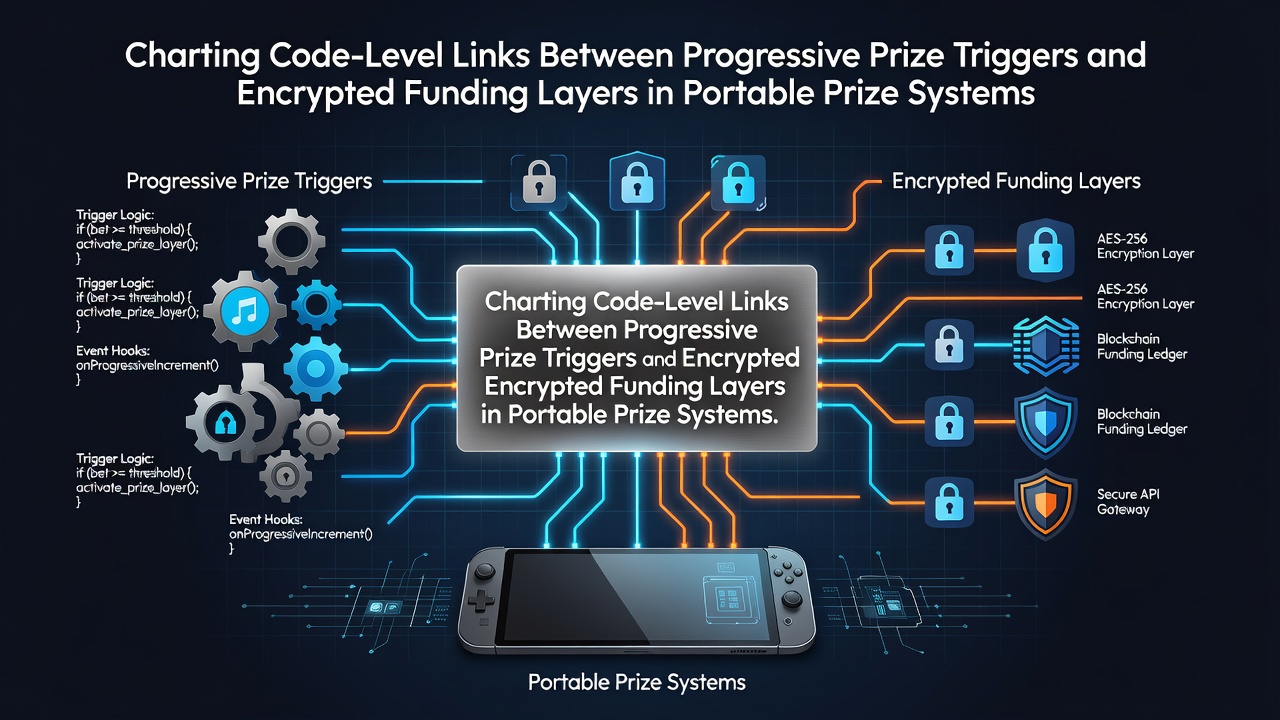
Charting Code-Level Links Between Progressive Prize Triggers and Encrypted Funding Layers in Portable Prize Systems
Portable prize systems integrate progressive jackpot mechanisms with secure transaction frameworks through specific code pathways that operate across mobile platforms. These connections allow prize triggers to activate only after encrypted funding validations complete, a structure that has expanded in deployment since early 2025.
Developers map these links using modular architectures where trigger events query funding layer APIs before any prize pool increment occurs. In July 2026, multiple operators reported updates to these pathways that reduced latency between deposit confirmation and jackpot eligibility checks.
Progressive Prize Trigger Mechanics
Code-level progressive triggers monitor bet contributions across networked devices and apply incremental calculations to shared pools. Each trigger routine pulls data from game engines, then passes values to a central accumulator that updates in real time, and observers note that this process relies on timestamped event logs to prevent duplicate increments.
Researchers documented patterns where triggers embed conditional checks that reference funding status flags stored in encrypted session tokens. These flags originate from payment processors and travel through secure channels before the trigger can proceed to pool adjustment routines.
Encrypted Funding Layer Structures
Funding layers in portable systems employ end-to-end encryption protocols that wrap transaction payloads with keys derived from device-specific identifiers. Data shows that implementations often combine AES-256 with elliptic curve methods to secure both deposit and withdrawal flows while maintaining compliance records.
Code within these layers generates hashed receipts that feed directly into prize trigger validation sequences. According to figures from the Nevada Gaming Control Board, encrypted funding events increased by 18 percent year-over-year through the first half of 2026, reflecting broader adoption of token-based verification.
Code Pathways Connecting Triggers and Funding
Interconnections appear in shared libraries where trigger functions call encrypted funding validators through abstracted interfaces. These calls return boolean results that either permit or block jackpot contributions, and the same libraries log audit trails that regulators access during compliance reviews.
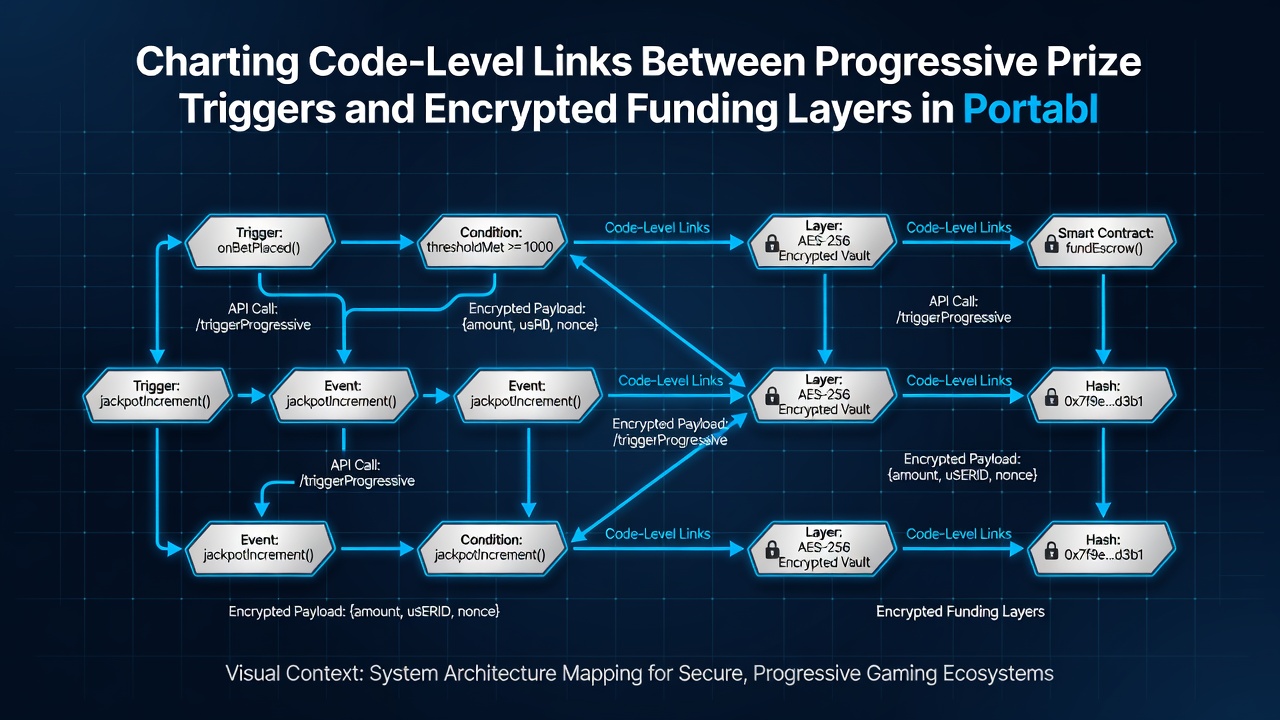
One documented approach routes funding confirmations through middleware that normalizes data formats before they reach trigger modules. This normalization step ensures that mobile operating system variations do not disrupt the sequence from payment authorization to prize eligibility, a pattern that has appeared in multiple platform updates released during spring 2026.
Studies from the University of Nevada, Reno gaming technology lab revealed that these linked routines reduce error rates in pool calculations when encryption handshakes complete within defined time windows. The lab's 2025 report outlined how asynchronous messaging queues handle cases where network delays affect the funding-to-trigger handoff.
Implementation Patterns Across Platforms
Platform-specific adaptations show consistent use of event-driven architectures that decouple funding encryption from prize logic while preserving data integrity. Developers embed callback handlers that execute only after secure sockets layer confirmations arrive, and these handlers update both local caches and remote pool servers simultaneously.
Industry reports from the European Gaming and Betting Association indicate that operators testing these patterns across Android and iOS environments achieved synchronized prize states within 250 milliseconds on average during peak load tests conducted in late 2025. The same reports note continued refinement of key rotation schedules that protect funding data without interrupting trigger responsiveness.
Regulatory and Security Considerations
Regulatory frameworks require that prize triggers cannot activate unless encrypted funding records exist and remain verifiable. Code audits examine the exact call stacks that link these components, focusing on whether any bypass paths exist that could alter pool values without corresponding transaction proofs.
Standards bodies such as the International Association of Gaming Regulators have published guidelines that emphasize separation of concerns between encryption modules and prize engines. These guidelines encourage use of signed code segments that prevent unauthorized modifications to the funding validation sequence.
Conclusion
Code-level links between progressive prize triggers and encrypted funding layers continue to evolve within portable prize systems as operators refine validation sequences and encryption practices. Data from multiple jurisdictions shows steady growth in these integrated architectures through mid-2026, driven by requirements for both security and operational efficiency. The pathways that connect funding confirmations to prize eligibility remain central to system design, with ongoing updates addressing latency, auditability, and cross-platform consistency.