Charting the Influence of Gaming Engine Designs on Transaction Efficiency Within Mobile Prize Accumulation Systems
Ben Bennett · Jun 17, 2026
Charting the Influence of Gaming Engine Designs on Transaction Efficiency Within Mobile Prize Accumulation Systems
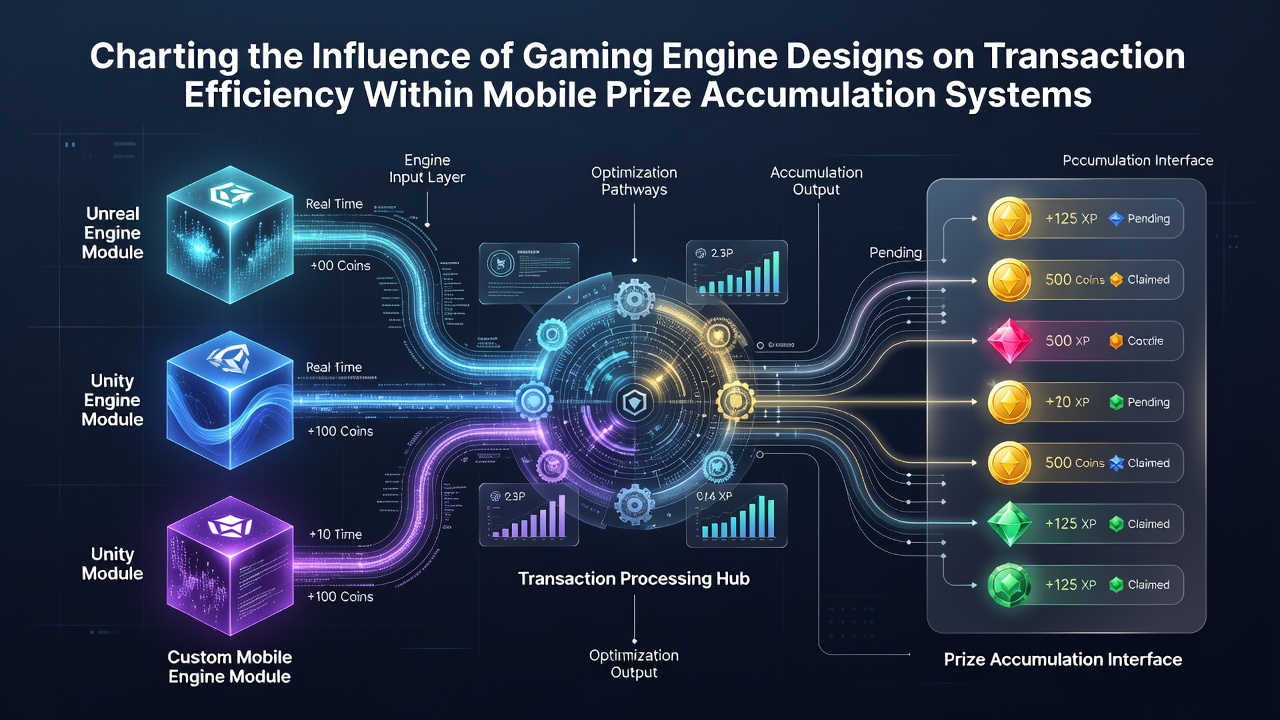
Modern mobile prize accumulation systems rely on specialized gaming engines that coordinate real-time rendering with backend transaction processing, and observers note how these engines shape the speed at which users collect and convert accumulated rewards. Engine architecture determines whether prize data moves through optimized microservices or encounters bottlenecks created by legacy monolithic structures, while developers continue refining these frameworks through June 2026.
Core Engine Components and Their Transaction Roles
Gaming engines integrate physics simulation, asset management, and networking layers that must synchronize with payment gateways handling prize credits, and research indicates that separation between client-side logic and server-authoritative transaction modules reduces latency during high-volume accumulation events. Proprietary engines built around event-driven architectures process prize triggers as atomic operations, whereas general-purpose platforms require additional abstraction layers that insert extra validation steps before funds reach user wallets.
Engine designers embed caching mechanisms and predictive loading routines that preload transaction states based on player behavior patterns, and data from industry monitoring shows measurable drops in confirmation times when these routines align with mobile network conditions prevalent in mid-2026 deployments.
Performance Metrics Across Different Engine Types
Comparative analyses reveal that engines utilizing distributed ledger hooks for prize logging achieve faster reconciliation than those depending solely on centralized databases, particularly when mobile sessions span multiple network handoffs. Transaction throughput figures collected during peak evening hours demonstrate that modular engine designs sustain higher concurrent prize claims without degradation, while tightly coupled systems exhibit queue buildup once user counts exceed several thousand simultaneous connections.
Studies conducted by academic teams at technical universities highlight how garbage collection cycles within certain cross-platform engines temporarily stall transaction pipelines on lower-end devices, prompting developers to adopt incremental collection strategies that preserve processing continuity during prize updates.
Optimization Techniques Emerging in 2026
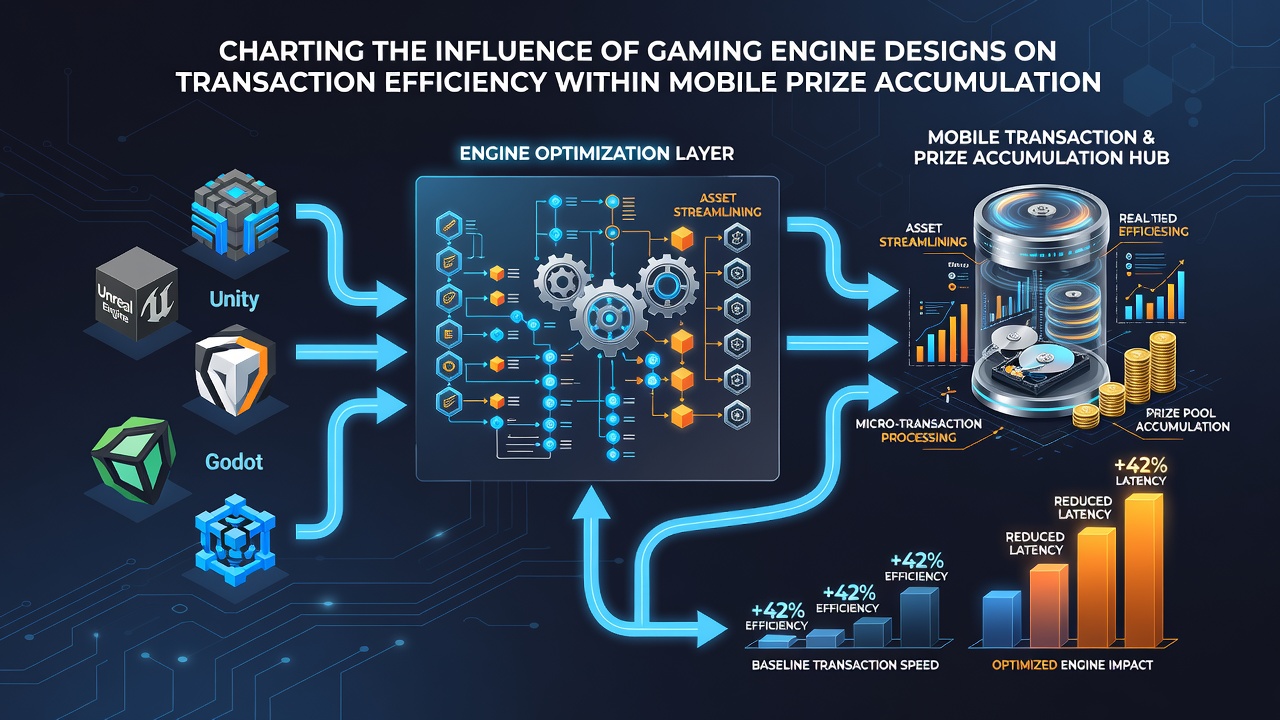
Engine teams now implement asynchronous transaction queues that decouple visual prize animations from actual fund movements, allowing interfaces to remain responsive while backend processes complete verification sequences. Compression algorithms applied to prize metadata packets further shrink payload sizes transmitted over cellular networks, and regulatory filings indicate these adjustments align with efficiency standards outlined in recent Canadian provincial gaming directives.
Adaptive scaling within cloud-hosted engine instances allocates additional processing threads during jackpot accumulation spikes, and figures released through Australian wagering data portals confirm reduced average settlement intervals following such implementations across several major operators.
Security Integration Without Efficiency Trade-offs
Encryption routines embedded directly into engine transaction handlers avoid round trips to separate security modules, yet maintain compliance with multi-factor authentication flows required for larger prize redemptions. Observers tracking mobile gaming ecosystems report that hardware-backed keystores on flagship devices accelerate signature verification steps, eliminating delays previously introduced when engines relied on software-only cryptographic libraries.
Case examinations of updated engine versions deployed in early 2026 show simultaneous gains in both fraud detection accuracy and end-to-end processing speed, because anomaly scoring now occurs inline rather than through post-transaction batch analysis.
Conclusion
Engine design choices continue to dictate transaction efficiency boundaries within mobile prize systems, as evidenced by performance data gathered through the first half of 2026. Continued refinement of modular architectures, asynchronous processing paths, and integrated security layers points toward further measurable improvements in how quickly accumulated rewards reach player accounts across varied device ecosystems and network environments.