Decoding Interlinked Game Mechanics That Shape Reward Pathways in Wireless Prize Pool Systems
Logan Sullivan · Jun 3, 2026
Decoding Interlinked Game Mechanics That Shape Reward Pathways in Wireless Prize Pool Systems
Wireless prize pool systems operate through networks of mobile applications where game mechanics connect player actions directly to shared reward structures, and data from June 2026 shows continued growth in these platforms across multiple jurisdictions. Researchers track how random number generators feed into bonus triggers while progressive elements accumulate contributions from thousands of simultaneous sessions on handheld devices. Observers note that these pathways rely on layered algorithms rather than isolated features, which means a single spin outcome can influence both immediate payouts and larger pooled rewards over time.
Core Components of Mobile Prize Architectures
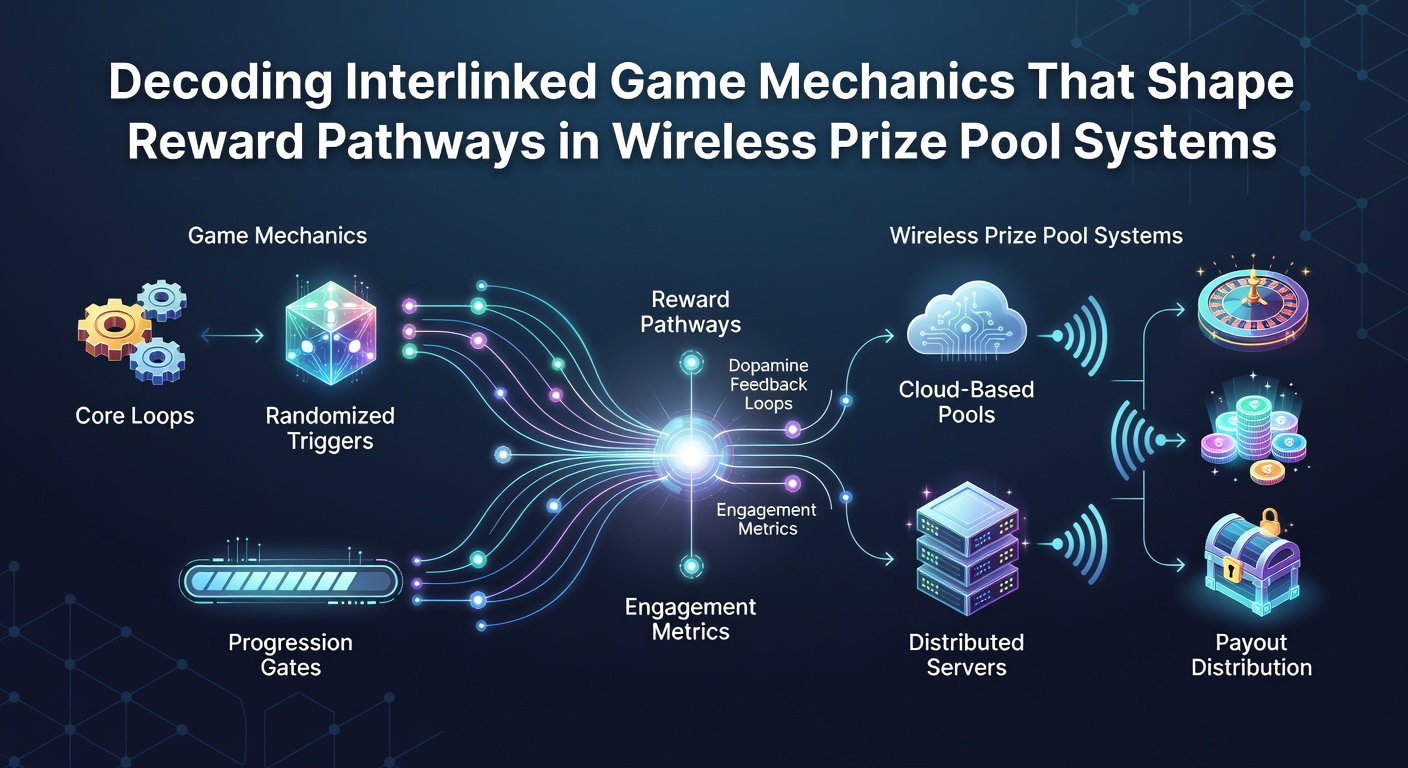
Developers design these systems around three primary layers that interact constantly during gameplay. The base layer consists of core reels or table simulations governed by certified random number generators that determine symbol combinations and initial win values. Above this sits the bonus layer where free spin rounds, multipliers, and mini-games activate based on specific symbol alignments or accumulated points. The top layer manages the prize pool itself, drawing small percentages from each wager into progressive totals that grow until triggered by designated events such as reaching a threshold combination or hitting a random selection protocol. According to figures released by the Nevada Gaming Control Board, mobile progressive pools in participating states exceeded previous quarterly totals by substantial margins during the first half of 2026.
Interconnections appear when a bonus round outcome feeds directly into pool contributions or when multiplier values alter the rate at which individual bets add to the shared jackpot. One developer who analyzed session logs observed that certain free spin sequences increased the probability weighting applied to pool-triggering symbols in subsequent base game rounds. These adjustments occur through backend parameters updated in real time across server clusters serving thousands of wireless connections simultaneously.
How Reward Pathways Form Through Linked Mechanics
Reward pathways emerge when sequential triggers create feedback loops between player progress and pool dynamics. A standard example involves scatter symbols that not only award free spins but also add a fixed amount to a secondary prize meter visible on the interface. Once that meter fills, the system converts accumulated value into either additional multipliers or entries into a larger progressive draw. Data indicates these loops maintain engagement metrics because each completed cycle refreshes the visible pool total and resets the meter for the next accumulation phase.
Software algorithms coordinate these events by assigning weighted probabilities that balance house edge requirements with payout frequency targets. Studies from the University of Nevada, Las Vegas gaming research division reveal that systems calibrated for wireless environments adjust weighting factors based on device connection stability and session duration patterns. Shorter sessions tend to receive higher immediate reward density while longer connections see gradual pool growth that encourages continued play. The result forms pathways where early small wins funnel player attention toward the accumulating progressive elements displayed prominently on screen.
Technical Integration Across Wireless Networks
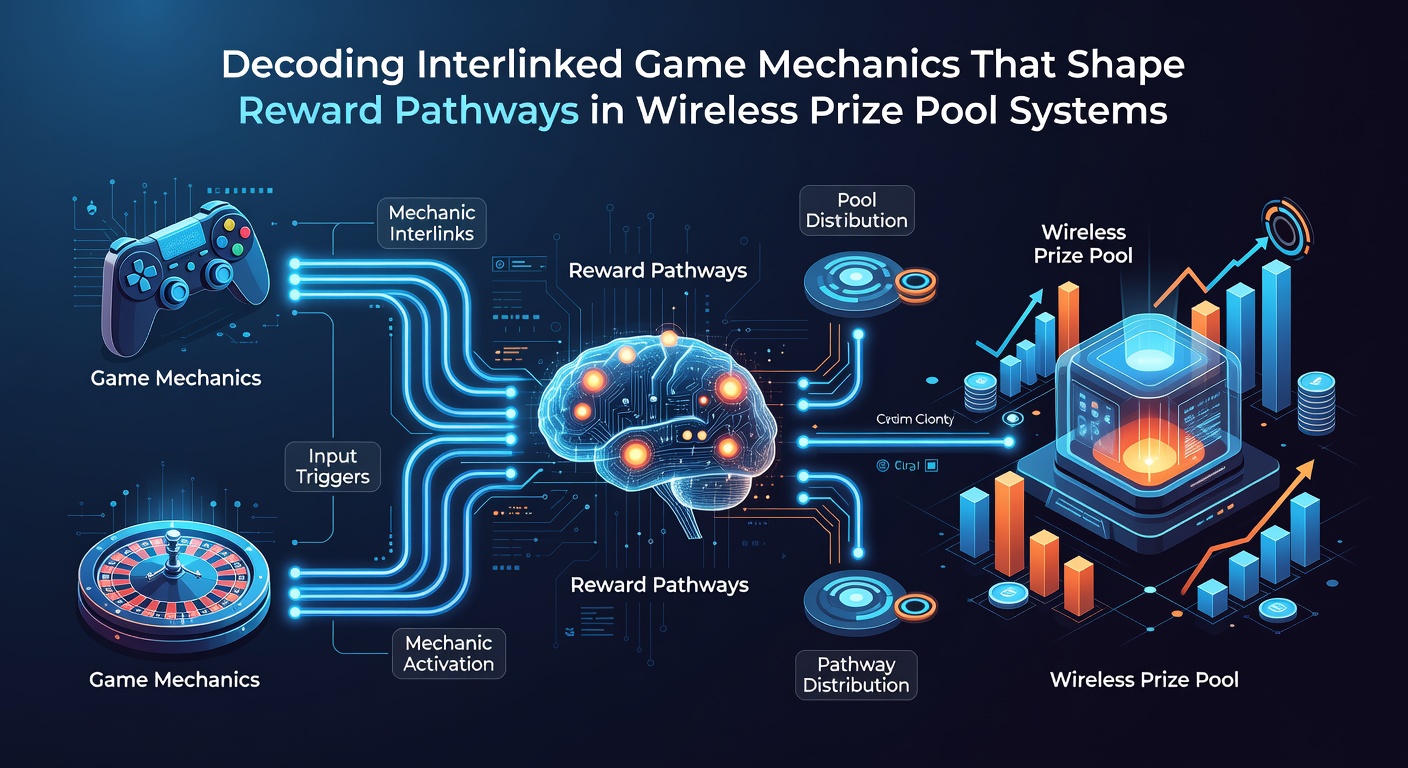
Wireless delivery introduces additional variables because latency and connection handoffs between cell towers can affect how quickly bonus states sync with central servers. Engineers implement buffering mechanisms that preserve game state locally until reconnection occurs, ensuring that any pending reward pathway continues without interruption. Regulatory frameworks in regions such as Ontario require independent testing of these synchronization protocols before operators receive certification for progressive features.
Another layer involves cross-game pooling where contributions from multiple titles feed a single jackpot visible across different applications. This design expands the participant base and accelerates pool growth rates, yet it demands precise accounting to allocate each game's share accurately. Reports compiled by the Canadian Gaming Association document several operators that expanded cross-title pools during early 2026, resulting in larger average jackpot sizes compared with single-title configurations.
Data Patterns Observed in June 2026
Analytics platforms monitoring wireless prize systems recorded distinct patterns during June 2026. Peak contribution hours aligned with evening time zones in major markets, while trigger events clustered around weekends when session lengths extended. These patterns allow operators to fine-tune probability tables so that pool triggers remain unpredictable yet statistically consistent with declared payout percentages. External audits verify that the interlinked mechanics do not deviate from certified parameters even when temporary network congestion occurs.
One notable development involved integration of loyalty point systems that convert accumulated rewards into additional entries for prize draws. This creates an extended pathway where daily login bonuses and level-up rewards indirectly influence jackpot participation rates. Government agencies overseeing gaming in multiple Australian states have required transparent reporting on how such loyalty integrations affect overall prize distribution across user bases.
Conclusion
Interlinked game mechanics in wireless prize pool systems continue to evolve through coordinated layers of random generation, bonus activation, and progressive accumulation that operate across distributed mobile networks. Data collected through June 2026 confirms these pathways maintain consistent statistical behavior under regulatory oversight while adapting to connection variables inherent in wireless environments. teh structures rely on precise algorithmic linkages rather than standalone features, producing reward sequences that draw from both individual session activity and collective pool contributions across thousands of concurrent users.