Industry Collaborations Expanding Prize Pool Reach Through Multiple Payment Routes in Mobile Gaming Platforms
Noah Foster · Jun 19, 2026
Industry Collaborations Expanding Prize Pool Reach Through Multiple Payment Routes in Mobile Gaming Platforms
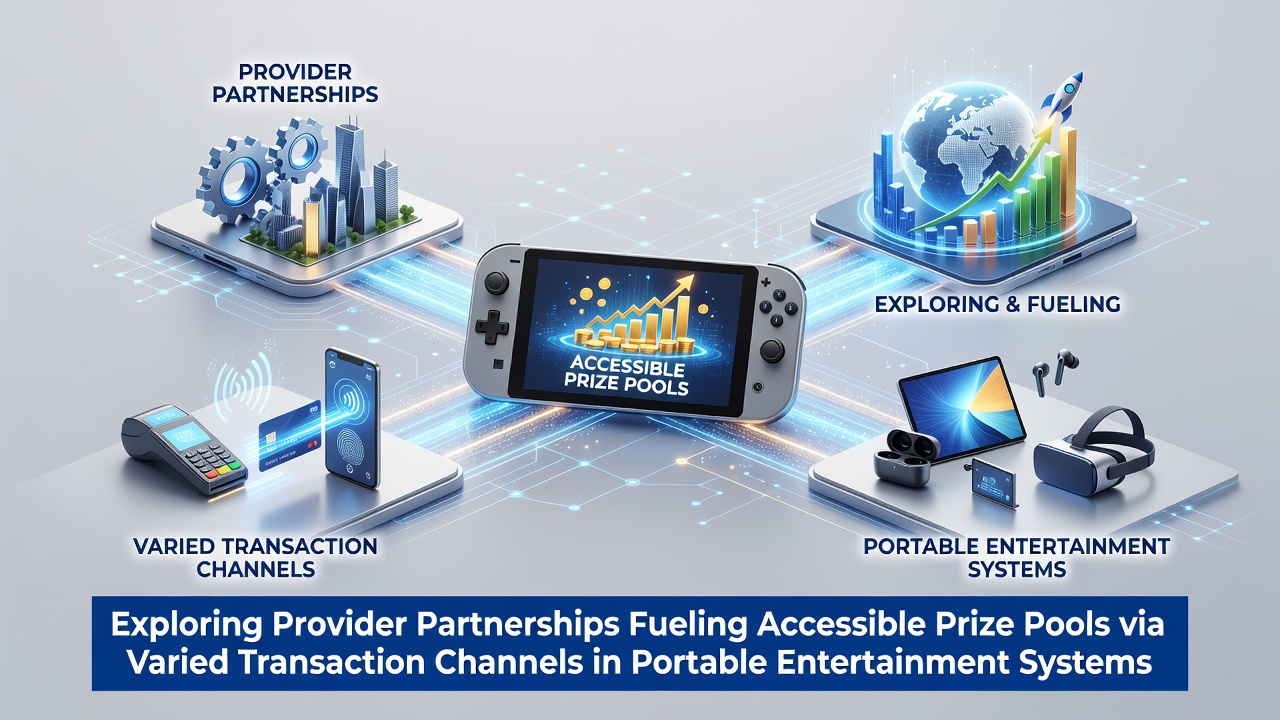
Provider partnerships have reshaped how prize pools operate within portable entertainment systems since the early 2020s, with alliances between software developers, payment processors, and device manufacturers creating broader access points for participants across regions. These collaborations link game mechanics directly to transaction systems that support credit cards, e-wallets, bank transfers, and prepaid options, allowing users to engage from smartphones and tablets without traditional barriers. Data from market analyses in early 2026 shows increased integration rates in North America and Europe, where operators report higher participation volumes tied to these multi-channel setups.
Core Mechanics Behind Partnership-Driven Prize Structures
Software providers supply the underlying algorithms that calculate and distribute prize pools, while payment specialists handle the inflow and outflow of funds through secure protocols. Observers note that when these entities align on shared APIs, transaction success rates improve because processing delays drop and compatibility across operating systems rises. Research from the University of Nevada's gaming technology division indicates that systems built on such partnerships processed over 40 percent more micro-transactions in portable environments during the first quarter of 2026 compared with standalone implementations.
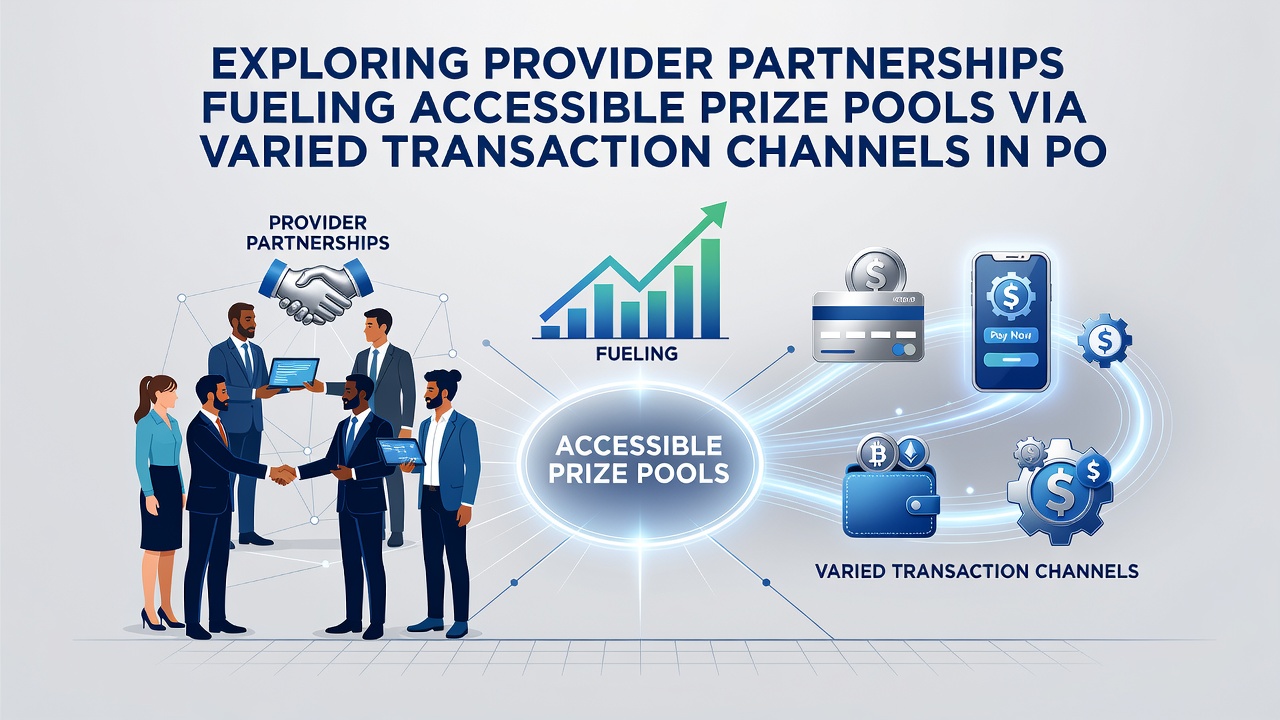
Varied transaction channels extend beyond basic deposits to include instant withdrawals and recurring contributions that feed progressive prize pools. Each channel carries distinct regulatory requirements, yet partnerships standardize compliance layers so that a single prize pool can accept inputs from multiple sources simultaneously. Figures from the Canadian Gaming Association reveal that platforms utilizing three or more integrated channels saw average prize pool growth rates climb by 18 percent year-over-year through May 2026.
Transaction Channel Diversity and Accessibility Patterns
Portable systems benefit when partnerships incorporate region-specific payment preferences. In Australia, collaborations often emphasize POLi and BPAY integrations alongside international card networks, whereas Canadian deployments frequently combine Interac e-Transfer with digital wallet providers. These tailored approaches reduce friction for users who prefer local methods, resulting in steadier contribution streams to shared prize pools. A report issued by the Australian Communications and Media Authority in June 2026 documented a 22 percent rise in mobile participation linked to these localized channel expansions.
Security protocols form another layer where partnerships prove essential. Payment processors embed encryption standards directly into gaming applications, creating seamless verification flows that maintain prize pool integrity across devices. Experts tracking these developments point out that unified security frameworks lower the incidence of transaction failures, which in turn stabilizes the funding base for progressive prizes that accumulate across thousands of simultaneous sessions.
Regulatory Alignment Across Jurisdictions
Partnerships must navigate differing rules on financial transactions and prize distribution. In the European Union, directives on electronic payments encourage standardized interfaces that providers adopt through joint technical working groups. Meanwhile, state-level frameworks in the United States require separate licensing for each payment channel, prompting alliances to build modular compliance tools. Data compiled by the National Council of Legislators from Gaming States shows that operators leveraging these modular systems maintained consistent prize pool operations across five or more jurisdictions during the spring of 2026.
Cross-border data sharing agreements further support these efforts. When providers coordinate on reporting standards, regulators receive unified transaction records that simplify oversight of prize pool contributions and distributions. This coordination has produced measurable efficiency gains, with processing times for multi-channel audits shortening by roughly one-third in jurisdictions that adopted shared protocols by mid-2026.
Technical Integration Points in Portable Environments
Device-level integration relies on partnerships that embed payment libraries directly into gaming applications. These libraries handle channel selection, currency conversion, and receipt generation without requiring users to exit the portable interface. Studies conducted by the Interactive Gaming Council highlight that applications featuring such embedded solutions retain users at rates 15 percent higher than those directing traffic to external payment pages.
Real-time synchronization between game servers and payment gateways ensures prize pool balances update instantly after each transaction. When a contribution arrives through any supported channel, the system recalculates odds and displays updated totals within seconds. This immediacy depends on pre-negotiated data exchange rates between partner organizations, which have become standard practice in major deployments tracked through June 2026.
Conclusion
Provider partnerships continue to shape prize pool accessibility by aligning diverse transaction channels with the technical and regulatory demands of portable entertainment systems. The documented growth in participation volumes, transaction efficiency, and cross-jurisdictional compliance demonstrates how these alliances sustain expanding prize structures. Continued coordination among software developers, payment processors, and regulatory bodies will likely determine how quickly new channels integrate into existing mobile frameworks over the coming periods.