Mapping Connections Between Secure Funding Channels and Immersive Table Simulations on Handheld Devices
Ben Bennett · May 18, 2026
Mapping Connections Between Secure Funding Channels and Immersive Table Simulations on Handheld Devices
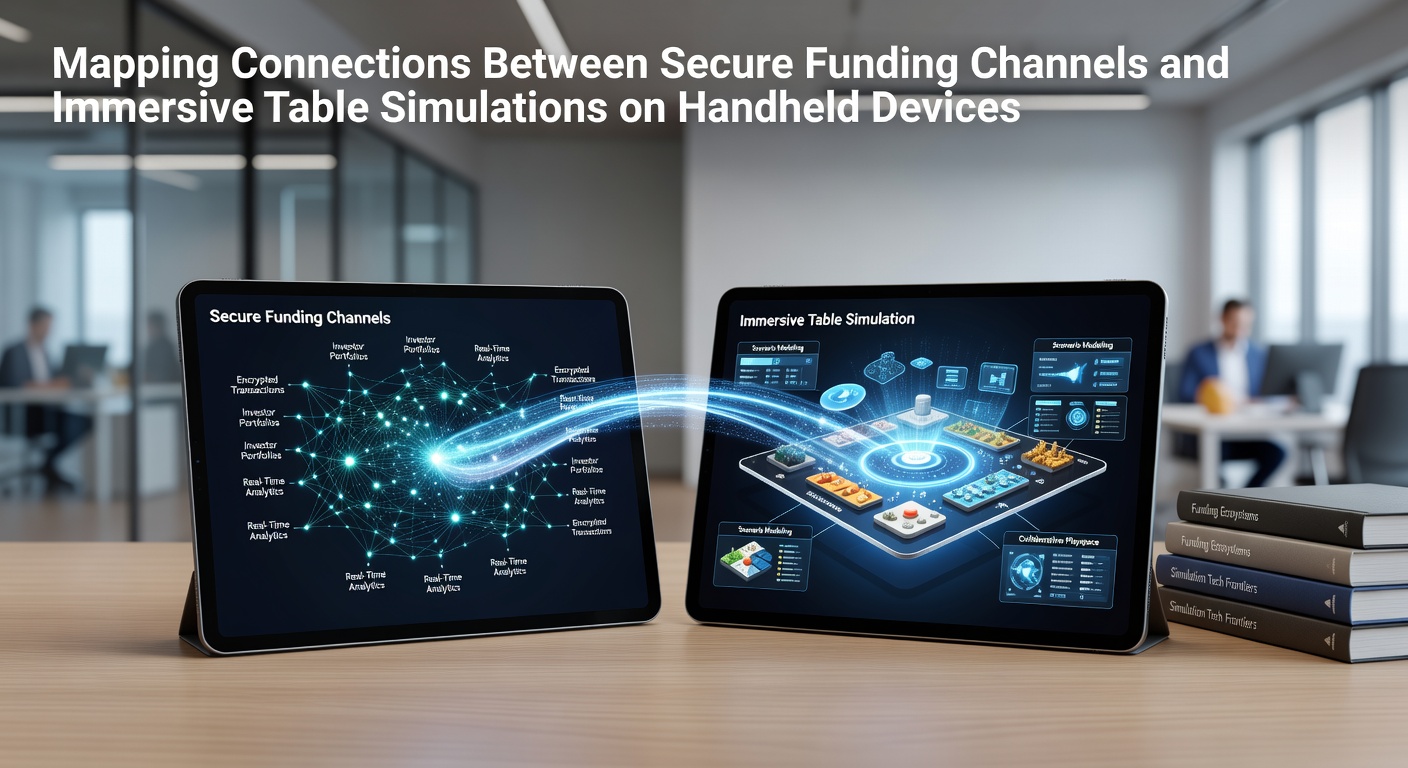
Secure funding channels have grown increasingly intertwined with the development of immersive table simulations that run on handheld devices, creating pathways where payment infrastructure directly supports realistic gaming environments. Observers note that these connections involve layered encryption protocols, instant verification systems, and seamless transaction flows that allow users to engage with digital versions of blackjack, poker, and roulette without interruptions from funding delays or security gaps.
Core Elements of Secure Funding in Mobile Contexts
Payment gateways designed for mobile platforms rely on tokenization methods and multi-factor authentication to process deposits and withdrawals efficiently. Data from industry reports indicates that these systems handle high volumes of micro-transactions while maintaining compliance with regional standards across multiple jurisdictions. In May 2026, updates to mobile SDKs incorporated biometric options such as fingerprint and facial recognition that link directly to funding approval sequences, reducing the steps between account access and table entry.
Researchers have mapped how e-wallet integrations and cryptocurrency rails feed into simulation engines, enabling real-time balance updates that mirror physical casino chips or card stacks. This mapping reveals dependencies where a failed authentication at the funding layer can pause or alter the simulation state, preserving fairness and preventing desync issues during live dealer feeds or AI-driven opponents.
Development of Immersive Table Simulations
Handheld devices now support advanced rendering techniques including ray tracing and physics-based card animations that respond to user gestures with high fidelity. These simulations draw from server-side processing combined with local GPU acceleration, creating environments where virtual felt textures, chip stacks, and dealer movements appear fluid on smaller screens. Studies from academic sources highlight how latency below 50 milliseconds becomes critical when funding actions must sync with game progression, such as placing bets mid-round or cashing out after a winning streak.
One case involved developers who aligned secure API endpoints with simulation timelines so that a deposit confirmation triggers an immediate visual update like new chips appearing on the table layout. This approach avoids the older model of separate screens for payments and gameplay, instead embedding funding cues within the immersive view itself.
Technical Intersections and Data Flows
Connections between these domains appear in the way session tokens carry both authentication data and simulation parameters. When a player initiates a table game on a handheld, the system routes a secure funding query through encrypted channels before loading the full 3D environment or live stream. Figures from regulatory filings show that successful mappings reduce drop-off rates because users remain inside the simulation rather than navigating away to banking apps.

According to Nevada Gaming Control Board reports, integrated frameworks tested in 2026 demonstrated that blockchain-verified transactions could embed directly into simulation logs, creating auditable trails without exiting the game interface. Meanwhile, device sensors feed orientation data back into the funding logic, allowing tilt gestures to confirm transfers while maintaining immersion.
Regional Standards and Implementation Patterns
Different markets apply distinct rules that shape how these connections form. In jurisdictions following frameworks from the Australian Communications and Media Authority, emphasis falls on consumer protection layers that wrap around both payment verification and simulation integrity checks. Canadian provincial regulators have documented similar patterns where handheld platforms must demonstrate that funding interruptions do not corrupt ongoing table states or historical bet records.
Industry organizations such as the American Gaming Association have compiled datasets showing growth in cross-platform compatibility during early 2026, particularly around May when several handheld manufacturers released chipsets optimized for concurrent security processing and graphics rendering. These updates allow simulations to maintain high frame rates even as background funding services handle encryption overhead.
Emerging Mapping Techniques
Analysts describe graph-based models that chart dependencies between funding nodes and simulation modules, identifying single points of failure where a payment gateway outage could stall an entire table session. Practical implementations use predictive caching so that pre-approved funding limits load alongside initial table renders, smoothing the experience across varying network conditions. Observers note that this technique appears frequently in titles released around mid-2026, reflecting refined understanding of how handheld hardware constraints influence both security and immersion layers.
Conclusion
The ongoing mapping of secure funding channels to immersive table simulations on handheld devices continues to evolve through combined advances in encryption, rendering, and regulatory compliance. Data collected through 2026 illustrates consistent patterns where tighter integration yields smoother user flows and stronger audit capabilities without compromising either the security of transactions or the realism of digital table environments.