Software Frameworks Bridging Verified Transactions and Progressive Prize Access in Handheld Gambling Platforms
Ben Bennett · Jul 8, 2026
Software Frameworks Bridging Verified Transactions and Progressive Prize Access in Handheld Gambling Platforms
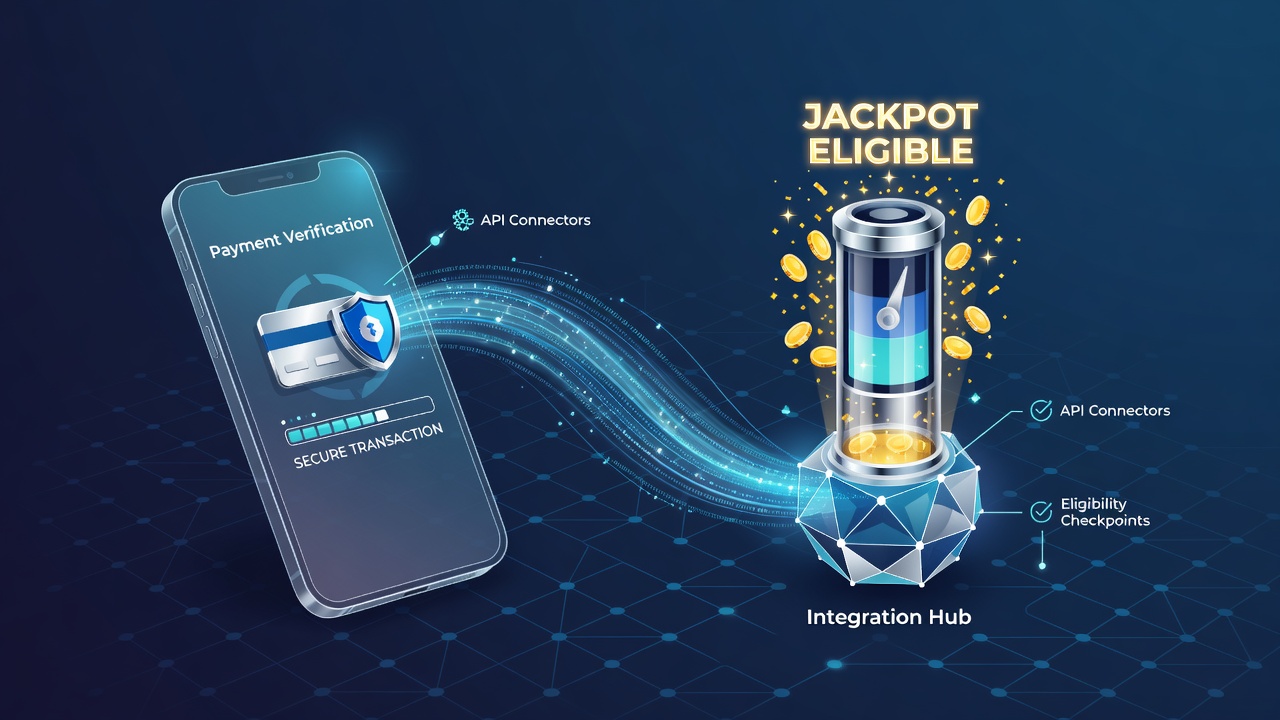
Developers integrate multiple layers of software architecture to connect payment verification steps directly with jackpot eligibility checks in handheld casino applications, and these connections rely on real-time data exchanges between transaction processors and game servers. Secure APIs handle initial funding confirmations while simultaneously updating player status flags that determine access to progressive prize pools, and this dual-purpose design reduces latency during high-volume play sessions across mobile networks.
Core Architectural Components in Mobile Systems
Application frameworks typically employ modular code structures where payment gateways interface with backend eligibility engines through standardized protocols such as OAuth and token-based authentication, allowing seamless handoffs between financial confirmation and prize qualification modules. Observers note that these modules often run parallel validation routines, checking account balances against minimum deposit thresholds required for jackpot entry while encrypting all data streams to prevent interception during wireless transmission.
Developers frequently incorporate event-driven programming patterns that trigger jackpot eligibility updates the moment a payment verification succeeds, and this approach eliminates separate polling cycles that could introduce delays on handheld devices with limited processing power. Research indicates such patterns appear consistently in platforms supporting both slot machines and table game simulations, where eligibility flags must sync across distributed servers located in regulated jurisdictions.
Payment Verification Mechanisms and Their Ties to Eligibility
Transaction verification processes begin with device-level security checks that confirm the user's identity through biometrics or PIN entry before any funds move, and these checks feed directly into centralized ledgers maintained by operators. Once cleared, the system evaluates additional criteria including deposit frequency, total wagered amounts, and compliance with regional rules that govern jackpot participation, all within the same processing pipeline.
Systems often log each verification step with timestamps and unique identifiers, creating audit trails that regulatory bodies review during compliance audits, and this documentation supports eligibility determinations by proving funds originated from verified sources. Data from the New Jersey Division of Gaming Enforcement shows mobile transaction volumes increased steadily through mid-2026, highlighting the need for efficient verification loops that maintain jackpot access without bottlenecks.
Progressive Prize Pool Synchronization
Jackpot pools update continuously as players contribute portions of wagers, yet eligibility requires that each participant's verified balance meets platform-specific thresholds before any spin or hand qualifies for the prize. Software designers address this by embedding conditional logic within game clients that queries the server for eligibility status immediately after payment confirmation completes, and the response determines whether the interface displays active jackpot meters or restricted access notices.
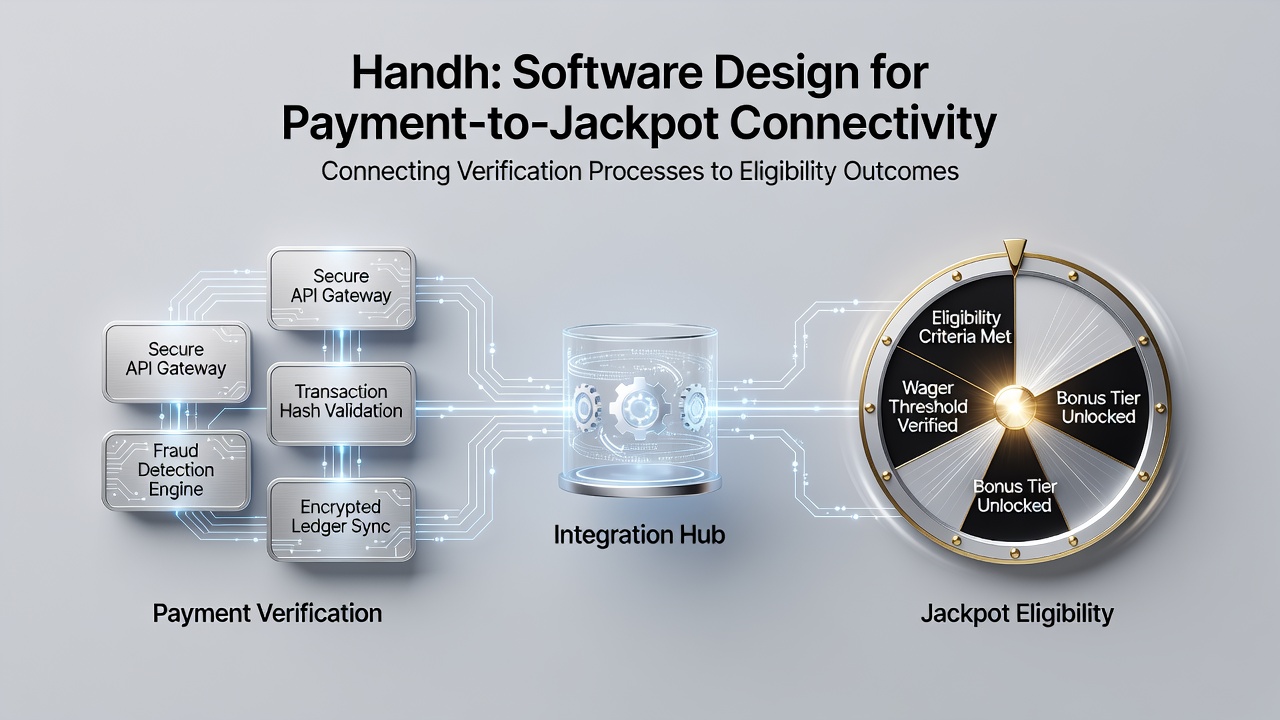
Those who've examined code repositories for major handheld platforms find dedicated microservices that manage these connections, handling everything from currency conversion during international deposits to real-time pool contributions that affect prize amounts. In July 2026 several operators deployed enhanced versions of these services to accommodate higher mobile traffic during peak hours, resulting in faster eligibility resolutions across multiple game types.
Security Protocols and Regulatory Compliance Layers
Encryption standards such as TLS 1.3 protect data exchanges between payment processors and eligibility engines, while additional measures like device fingerprinting help detect attempts to bypass verification steps that could affect jackpot qualification. Regulatory frameworks in various regions require these protections as part of licensing conditions, and operators must demonstrate through testing that payment confirmations cannot be manipulated to grant unauthorized prize access.
Figures from iGaming Ontario reveal that mobile jackpot claims undergo multi-stage reviews tied directly to verified transaction histories, ensuring only eligible players receive payouts. Academic studies published by researchers at the University of Nevada, Reno, have examined similar architectures and documented how fault-tolerant designs maintain eligibility accuracy even during network interruptions common on handheld devices.
Implementation Patterns Across Different Platforms
Some applications use unified databases that store both financial records and eligibility metadata in linked tables, enabling atomic updates where a single transaction either succeeds fully or rolls back entirely if verification fails at any checkpoint. Others separate these concerns into distinct services connected by message queues, which allows independent scaling when jackpot activity spikes without impacting payment processing speeds.
Operators in Singapore and Australia have adopted hybrid models that combine both approaches, according to reports from the Casino Regulatory Authority of Singapore, and these setups support cross-border players while maintaining strict eligibility rules based on verified deposits. The design choices often reflect the scale of operations and the specific jackpot structures offered, from fixed prizes to multi-level progressive systems.
Conclusion
Software design elements that link payment verification processes with jackpot eligibility continue to evolve in handheld casino applications as operators refine integration methods to handle growing mobile usage. These frameworks rely on coordinated APIs, event triggers, and compliance logging to ensure accurate qualification while supporting secure transactions across varied regulatory environments. Ongoing developments in server architecture and security protocols maintain the operational integrity of prize systems as participation expands through 2026 and beyond.