Tracing Code Pathways That Link Bonus Activation Sequences to Secure Transaction Systems in Portable Gaming Environments
Logan Sullivan · Jun 10, 2026
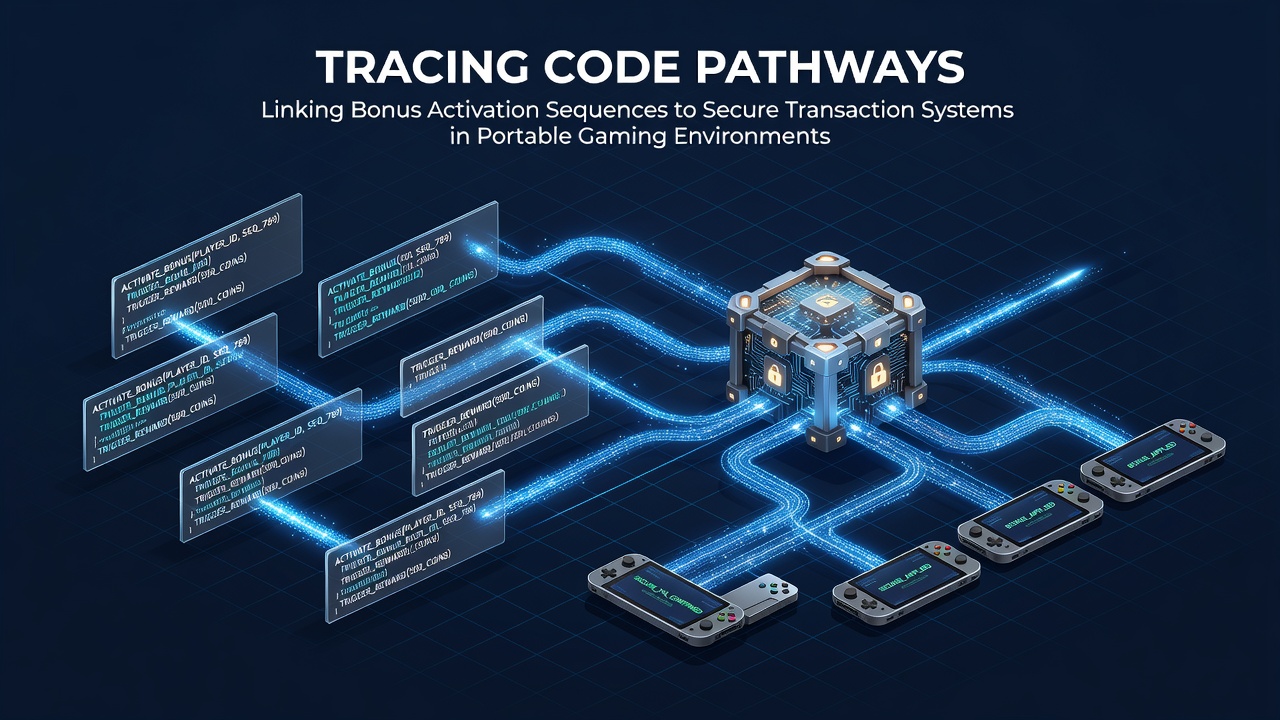
Tracing Code Pathways That Link Bonus Activation Sequences to Secure Transaction Systems in Portable Gaming Environments
Developers map code pathways in portable gaming environments by following data packets from bonus activation sequences through multiple software layers until they reach secure transaction systems, and this process relies on event-driven architectures that trigger specific functions when players meet reward criteria such as completing a level or accumulating points. Researchers at institutions studying digital entertainment systems have documented how these sequences begin with user interface events that call backend services responsible for validating eligibility before any financial operations commence.
Core Components of Bonus Activation Sequences
Bonus activation sequences consist of conditional checks embedded in game logic that evaluate player actions against predefined rules stored in configuration files, while portable platforms use asynchronous processing to handle these checks without interrupting the user experience on devices running iOS or Android operating systems. Observers note that modern implementations separate the activation logic from the transaction layer through application programming interfaces that pass only validated tokens rather than raw financial data, which reduces exposure during data transmission over wireless networks.
Engineers design these sequences to log every step in immutable audit trails that regulatory bodies can review during compliance audits, and data from state agencies including the New Jersey Division of Gaming Enforcement shows increasing requirements for real-time logging in mobile applications deployed after 2025. Integration points between game engines and payment gateways often employ encrypted key exchanges that occur before any bonus value converts into account credits.
Secure Transaction Systems in Mobile Contexts
Secure transaction systems in portable gaming environments incorporate tokenization and multi-factor authentication protocols that activate once a bonus sequence completes its validation phase, and these systems connect to external processors through standardized protocols such as those defined by payment card industry standards. Code pathways route requests through middleware that verifies device integrity using attestation services provided by operating system vendors before authorizing fund movements.
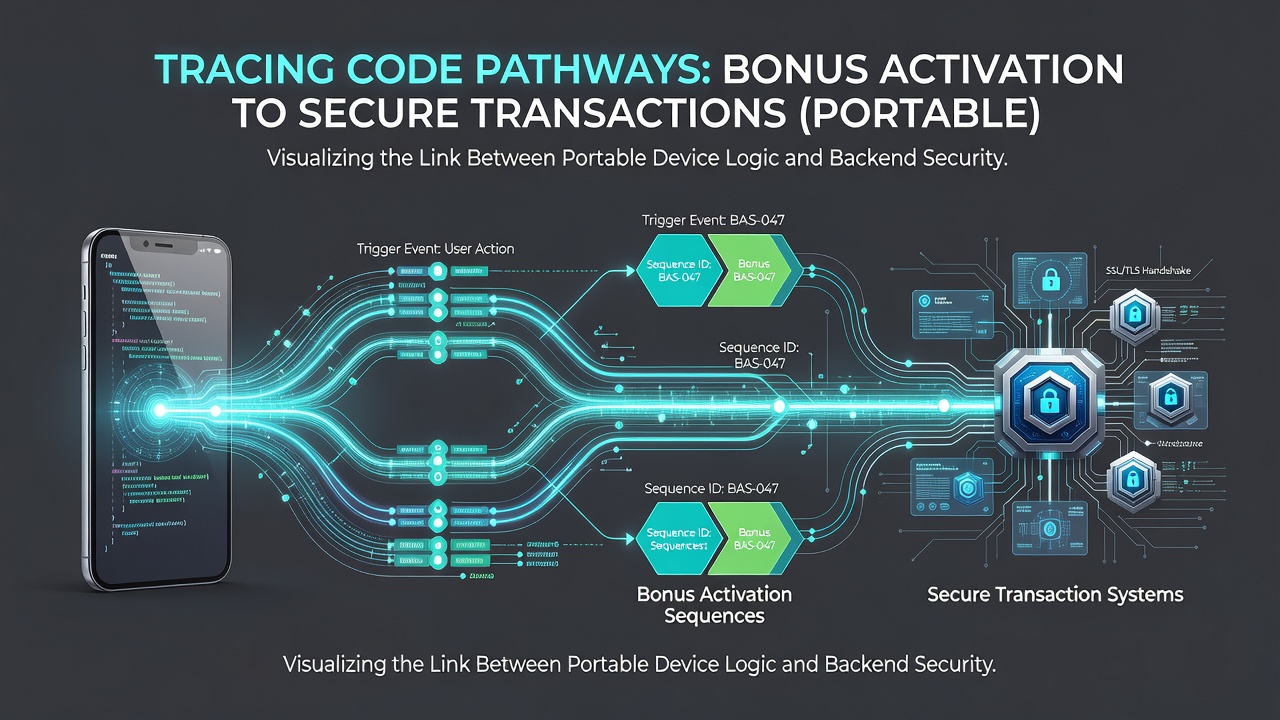
Developers frequently implement sandboxed execution environments for bonus-related calculations to prevent interference from other application processes running on the same device, whereas transaction modules operate within hardware-backed secure enclaves when available on newer smartphone hardware. Figures released by Australian regulatory sources indicate that transaction failure rates in mobile gaming dropped notably between 2024 and 2026 as these isolation techniques became more widespread.
Integration Patterns Observed in 2026 Deployments
During June 2026 several platform providers updated their mobile gaming frameworks to include enhanced tracing capabilities that record the exact call stack leading from a bonus trigger to the final transaction commit, and these updates responded to demands from oversight organizations seeking greater transparency in reward distribution mechanisms. The pathways now incorporate distributed ledger references in select jurisdictions, allowing independent verification of sequence completion without exposing sensitive player data.
Programmers achieve this tracing through a combination of unique identifiers assigned at the start of each bonus sequence and correlation keys that persist across microservices handling different stages of the process, while network communication between portable devices and backend clusters uses mutual TLS certificates that rotate on scheduled intervals. Reports compiled by academic research groups at North American universities highlight how such identifier systems enable forensic analysis when discrepancies appear in reward ledgers.
Security Measures and Data Flow Controls
Security measures along these code pathways include input sanitization routines that filter malformed requests before they reach transaction modules, and rate-limiting algorithms prevent rapid successive activations that could indicate automated exploitation attempts. Portable environments add location-based checks and device fingerprinting as additional layers that influence whether a bonus sequence proceeds to the payment stage.
According to documentation from European trade associations representing digital gaming operators, encryption standards applied to data in transit between game clients and transaction servers have shifted toward post-quantum algorithms in pilot programs launched during the first half of 2026. These changes aim to maintain integrity of the pathways even as computational capabilities advance on both legitimate and adversarial fronts.
Conclusion
Tracing code pathways that connect bonus activation sequences to secure transaction systems continues to evolve as portable gaming environments incorporate new hardware features and regulatory expectations, and the resulting architectures emphasize separation of concerns combined with comprehensive logging. Observers following industry developments note that continued refinement of these pathways supports both operational efficiency and compliance verification across multiple geographic markets.