Transaction Timelines and Player Retention Trends in Online Slot Platforms
Nils Roth · Aug 19, 2026
Transaction Timelines and Player Retention Trends in Online Slot Platforms
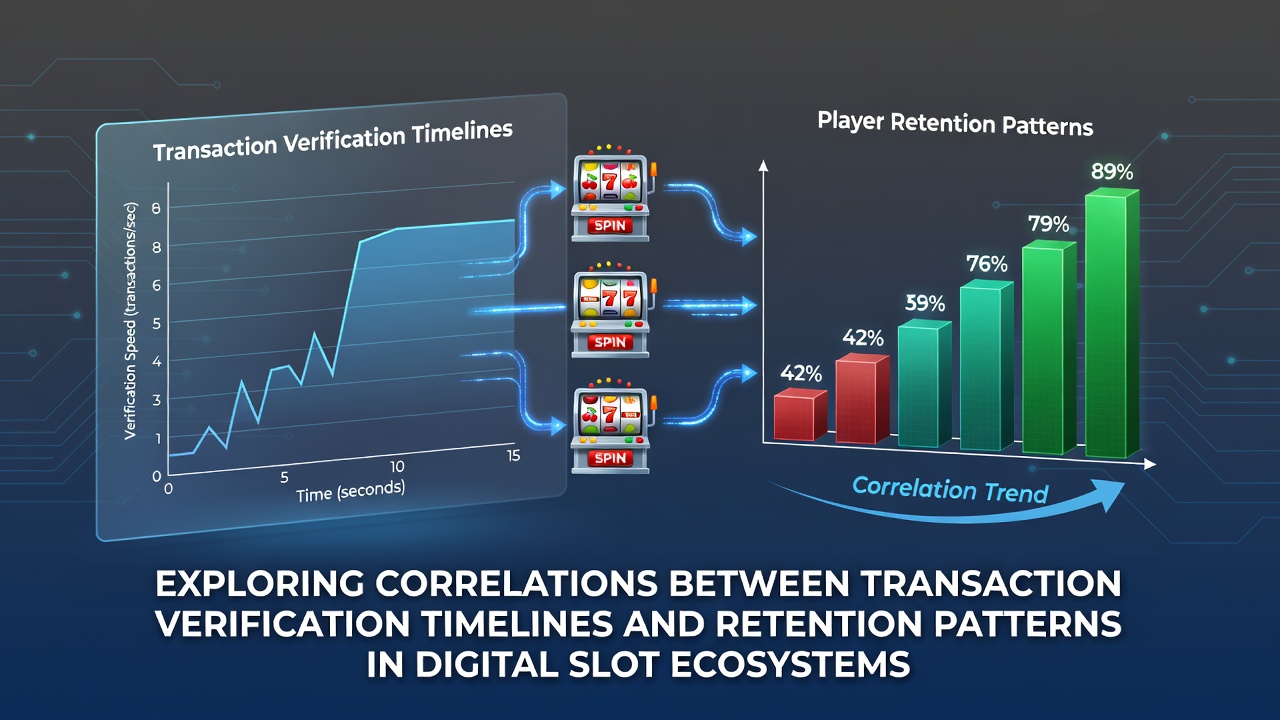
Transaction verification timelines play a measurable role in how players interact with digital slot ecosystems, and industry data continues to track these connections through platform analytics. Observers note that the time required to confirm deposits and withdrawals often aligns with shifts in session lengths and return visit rates across multiple markets. Researchers tracking these metrics in 2026 have compiled figures from operator dashboards and payment processor logs to outline patterns that emerge when verification speeds vary.
Core Elements of Transaction Verification in Slot Environments
Digital slot platforms rely on layered security checks that include payment method validation, regulatory compliance screens, and fraud detection algorithms before funds become playable. These steps create measurable delays that range from seconds for established e-wallets to several minutes when new cards or bank transfers enter the system. Data collected through August 2026 shows that platforms using instant verification protocols report average confirmation times under 15 seconds for repeat users, while standard card processing averages 45 to 90 seconds according to aggregated operator reports.
Payment gateways integrate with gaming servers through APIs that trigger balance updates once authorization clears, and any additional manual review extends the window further. Those who study player behavior record that extended verification periods coincide with higher rates of session abandonment during the initial deposit phase, particularly on mobile interfaces where users expect rapid access.
Retention Metrics and Their Measurement
Retention patterns appear in repeat login frequency, total active days within a 30-day window, and lifetime deposit volume per account. Platform operators track these indicators through unique user identifiers and session timestamps, allowing analysts to correlate entry friction with long-term engagement. Reports from the New Jersey Division of Gaming Enforcement detail monthly active user counts alongside average deposit processing speeds, revealing consistent groupings where quicker verifications cluster with higher 30-day return rates.
Studies from academic gaming research groups at institutions such as the University of Nevada, Reno have examined anonymized datasets to isolate verification time as one variable among several that influence churn. Their findings indicate that accounts experiencing verification under 30 seconds demonstrate 12 to 18 percent higher retention at the 60-day mark compared with accounts facing delays exceeding two minutes.
Observed Correlations Across Platforms
Multiple datasets compiled through mid-2026 illustrate that shorter verification windows associate with increased deposit frequency per user and extended average session durations. When verification completes within the first 20 seconds, players tend to initiate spins sooner and maintain longer continuous play periods before logging off. Conversely, delays beyond 60 seconds align with elevated exit rates during the funding step and reduced likelihood of immediate return visits.
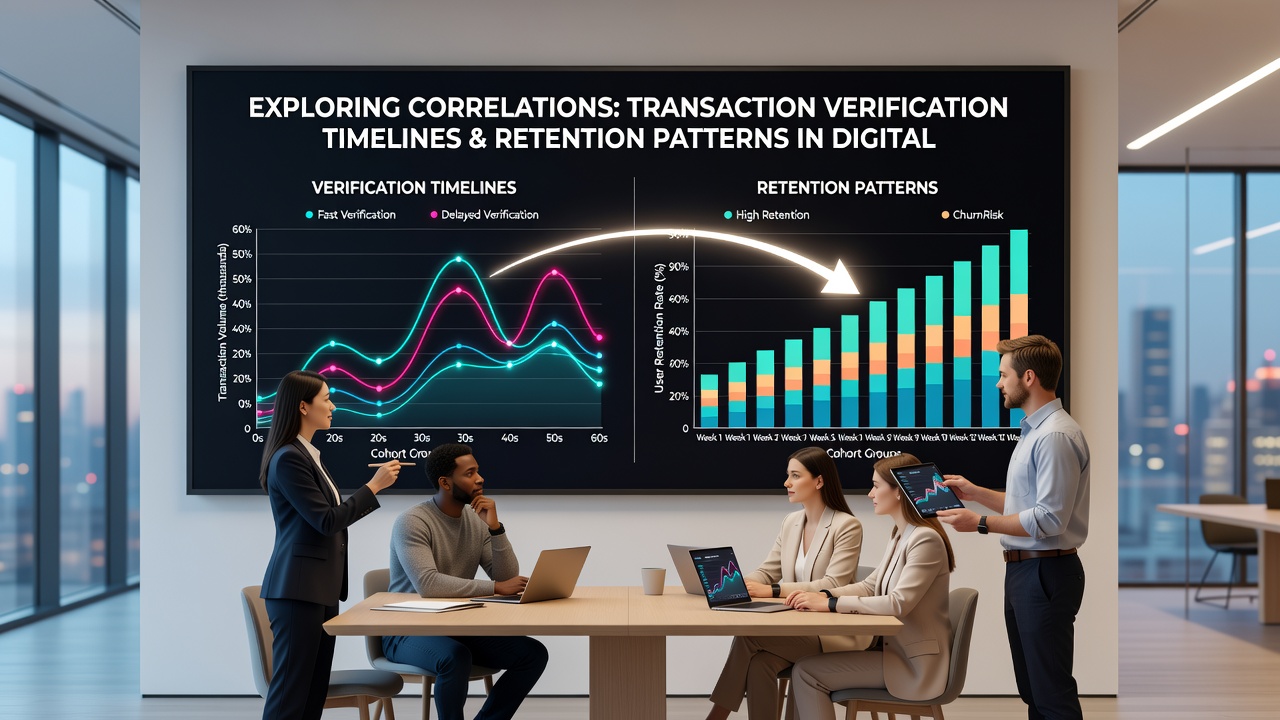
One analysis of North American operators found that platforms optimizing e-wallet integrations recorded a 9 percent lift in weekly active users during periods when average verification dropped below 25 seconds. The same period showed corresponding increases in total handle per active account, suggesting that reduced friction supports sustained participation. Observers tracking similar metrics in European markets have noted parallel trends where instant verification options correlate with lower single-session dropout rates.
Factors Modifying the Relationship
Device type, payment method preference, and regulatory jurisdiction each influence how verification timelines affect retention. Mobile users encounter different latency patterns than desktop players due to network variability and app-level processing, while cryptocurrency options often bypass traditional banking delays entirely. Data from the Alcohol and Gaming Commission of Ontario highlights that accounts using digital wallets maintain steadier retention curves even when overall verification times fluctuate, pointing to method-specific effects rather than uniform outcomes.
Seasonal campaign periods and bonus structures also interact with these timelines, as players facing verification hurdles during time-limited promotions show sharper drops in follow-up activity. Aggregated logs from August 2026 indicate that platforms offering real-time status updates during verification maintain higher completion rates than those without visible progress indicators.
Conclusion
Available platform data and regulatory filings demonstrate measurable associations between transaction verification speeds and subsequent retention indicators in digital slot ecosystems. Faster processing aligns with sustained engagement metrics across multiple jurisdictions, while extended timelines coincide with elevated early exits and reduced return activity. Continued collection of session and payment logs will allow further refinement of these observed relationships as operators adjust verification protocols.